Introduction to Pranayama: The Ancient Art of Yogic Breathing
Pranayama, derived from the Sanskrit words “Prana” (life force) and “Ayama” (control), is the yogic practice of breath control that forms a vital part of traditional yoga. Dating back over 5,000 years to the Vedic texts, pranayama techniques were developed to enhance vitality, calm the mind, and prepare practitioners for meditation.
Modern science now confirms what yogis have known for millennia – conscious breathing can dramatically impact our physical health, mental clarity, and emotional balance. From reducing stress hormones to improving cardiovascular function, pranayama offers benefits that are both immediate and long-lasting.
The Science Behind Pranayama: How Conscious Breathing Affects Your Body
Physiological Effects
Activates the parasympathetic nervous system, reducing cortisol levels by up to 30%
Increases oxygen saturation in blood by 5-10%
Enhances vagal tone, improving digestion and heart rate variability
Boosts GABA production, the brain’s natural anti-anxiety neurotransmitter
Neurological Benefits
Stimulates the prefrontal cortex, enhancing focus and decision-making
Balances left and right brain hemispheres, promoting emotional stability
Increases theta brain waves, associated with deep relaxation and creativity
Fundamental Pranayama Techniques
1. Dirga Pranayama (Three-Part Breath)
Technique:
Inhale deeply into the belly (5 sec)
Continue inhaling to expand the ribcage (5 sec)
Complete inhalation in the upper chest (5 sec)
Exhale slowly in reverse order (15 sec total)
Benefits: Reduces anxiety, improves lung capacity, grounds the nervous system
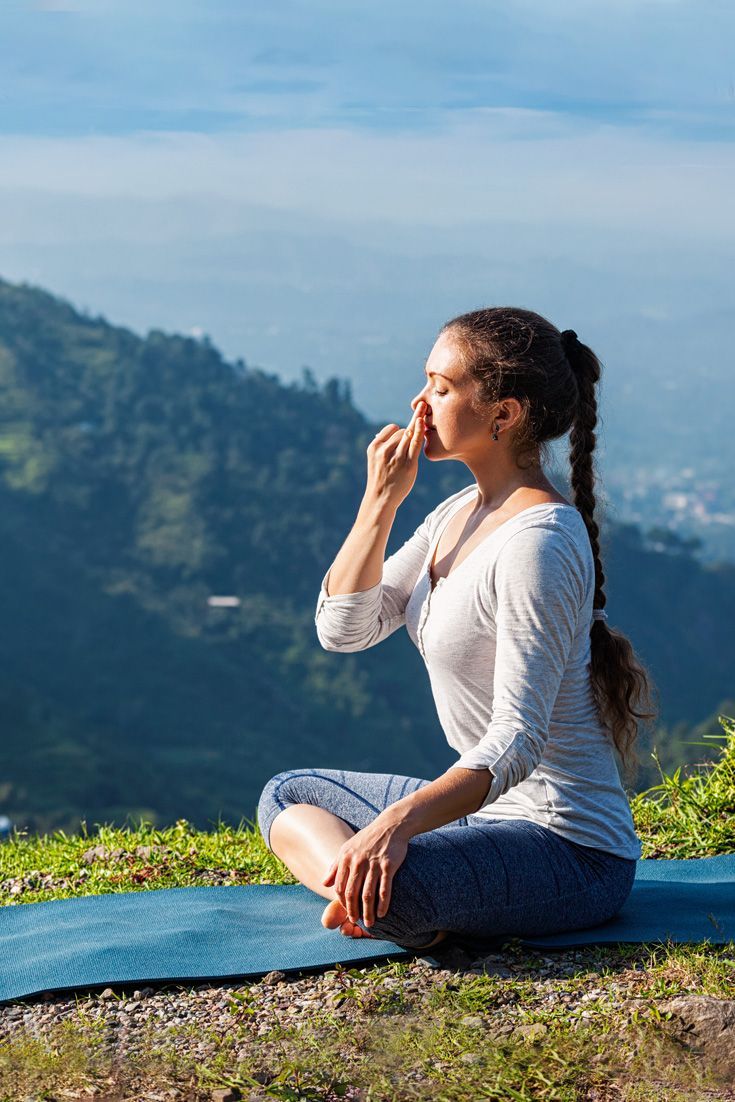
2. Nadi Shodhana (Alternate Nostril Breathing)
Technique:
Close right nostril with thumb, inhale left (4 sec)
Close both nostrils, retain breath (16 sec)
Open right nostril, exhale (8 sec)
Repeat opposite side
Benefits: Balances hemispheres of brain, reduces blood pressure, enhances mental clarity
3. Kapalabhati (Skull Shining Breath)
Technique:
Passive inhalation through nose
Forceful exhalation by contracting abdominal muscles (1-2 per second)
Perform 30-100 repetitions
Benefits: Detoxifies body, increases alertness, strengthens diaphragm
Advanced Pranayama Practices
1. Bhramari (Bee Breath)
Technique: Humming exhalation with fingers closing ears
Effects: Instant stress relief, reduces tinnitus, lowers heart rate
2. Sheetali (Cooling Breath)
Technique: Tongue curled, inhale through mouth; exhale through nose
Benefits: Cools body temperature, reduces inflammation, controls hunger
3. Surya Bhedana (Right Nostril Breathing)
Technique: Inhale right, exhale left (without alternation)
Effects: Increases body heat, boosts metabolism, enhances focus
Therapeutic Applications of Pranayama
For Stress & Anxiety
Bhramari + Nadi Shodhana combination reduces anxiety symptoms by 40% in clinical studies
5-minute morning practice can lower cortisol levels throughout the day
For Respiratory Conditions
Ujjayi breath improves lung function in asthma patients by 22%
Pursed-lip pranayama helps COPD patients increase exercise tolerance
For Cognitive Performance
Kapalabhati enhances working memory and reaction time
Alternate nostril breathing improves academic test performance by 15-20%
Pranayama for Specific Goals
Morning Energizing Routine
3 rounds Bhastrika (30 breaths)
5 minutes Kapalabhati
3 minutes Surya Bhedana
Evening Relaxation Sequence
10 minutes Nadi Shodhana
5 minutes Dirga Pranayama
3 minutes Bhramari
Pre-Meditation Preparation
5 minutes Ujjayi
3 minutes Kumbhaka (breath retention)
1 minute Normal breathing
Scientific Research on Pranayama
Documented Health Benefits
Harvard Medical School study: 12 weeks of pranayama reduced PTSD symptoms by 52%
NIH research: Daily practice lowered inflammatory markers by 27%
Mayo Clinic findings: Improved sleep quality in insomnia patients by 40%
Clinical Applications
Oncology: Helps manage chemotherapy side effects
Cardiology: Reduces hypertension and arrhythmias
Neurology: Slows progression of neurodegenerative diseases
Pranayama Safety & Contraindications
When to Avoid Certain Practices
Kapalabhati: Avoid during pregnancy, menstruation, or with hypertension
Bhastrika: Not recommended for heart disease patients
Kumbhaka: Caution for those with respiratory disorders
General Safety Guidelines
Always practice on empty stomach
Begin with guidance from qualified teacher
Progress gradually in duration and intensity
Integrating Pranayama Into Daily Life
For Busy Professionals
Desk Pranayama: 2-minute breathing breaks every 90 minutes
Commute Practice: Ujjayi breathing in traffic
Pre-Meeting Routine: 3 rounds of Nadi Shodhana
For Athletes & Fitness Enthusiasts
Pre-Workout: Bhastrika for activation
Post-Workout: Sheetali for recovery
Endurance Training: Ujjayi for oxygen efficiency
The Spiritual Dimension of Pranayama
Energetic Effects
Manipura Chakra activation through Kapalabhati
Ajna Chakra stimulation via Nadi Shodhana
Prana circulation through the nadis (energy channels)
Preparation for Meditation
Creates necessary mental stillness
Purifies subtle energy body
Enhances concentration (dharana)